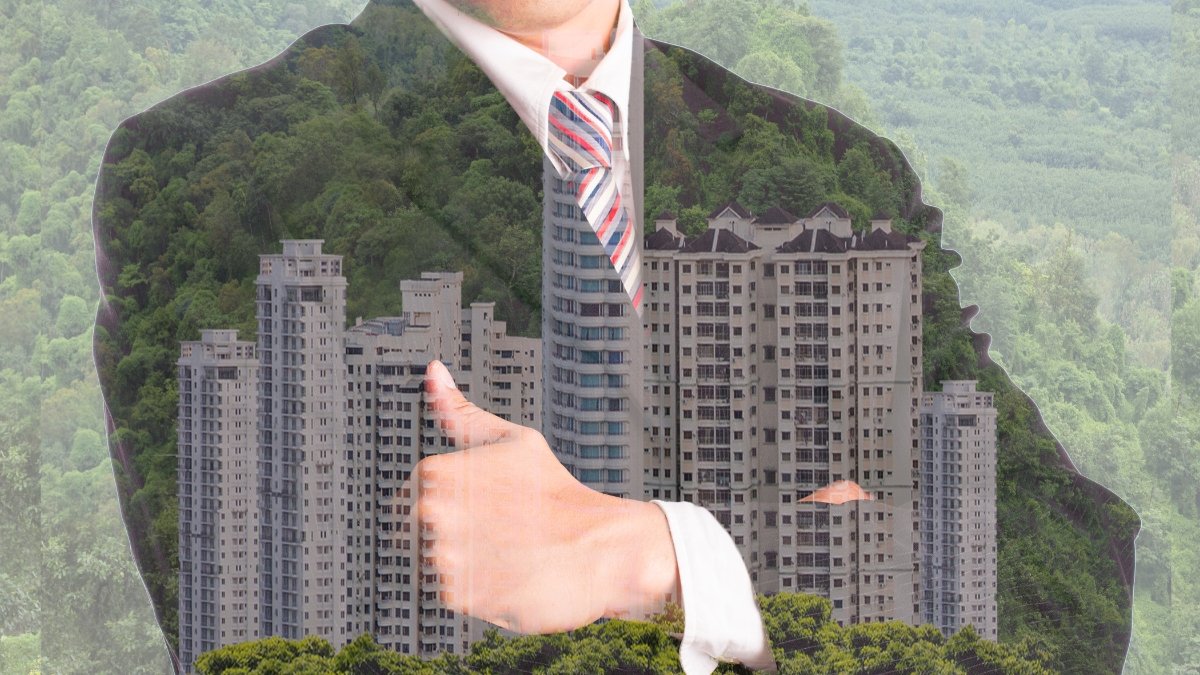
Singapore is widely known for its modern skyline, world-class infrastructure, and exceptional quality of life. However, one topic that consistently draws attention—both locally and internationally—is the high cost of residential property. Whether it’s private condominiums, landed homes, or even public housing, property prices in Singapore often appear significantly higher than in many other countries.
So why exactly are Singapore properties so expensive?
The answer lies in a combination of geography, government policies, economic strength, and long-term planning. Below are ten key reasons that explain the reality behind Singapore’s high property prices.
10 Reasons Why Singapore Properties Are So Expensive
1. Limited Land Supply
One of the most important reasons is Singapore’s physical size. The entire country spans only about 734 square kilometers, making land an extremely scarce resource.
Unlike larger nations, Singapore cannot expand outward easily. Every residential development must compete with land needed for:
- commercial buildings
- infrastructure
- parks and green spaces
- transport networks
With demand continuing to rise but land supply remaining fixed, property prices naturally move upward.
2. Strong Demand From a Growing Population
Singapore has a steadily growing population supported by citizens, permanent residents, and skilled foreign professionals. As more people seek housing—especially near MRT stations and city hubs—the pressure on residential supply increases.
Urban convenience plays a major role. Homes close to business districts, schools, hospitals, and transport lines attract significantly higher demand, pushing prices further upward.
3. Singapore’s Stable Economy
Singapore is globally recognized for its strong and stable economy. Investors and homebuyers see property here as a safe long-term asset.
Key economic strengths include:
- low unemployment
- strong currency (SGD)
- consistent GDP growth
- political stability
During global uncertainty, many investors treat Singapore real estate as a “safe haven,” which sustains property demand even during market slowdowns.
4. Strict Government Regulations
The Singapore government actively manages the property market to prevent crashes and overheating. Policies such as:
- Additional Buyer’s Stamp Duty (ABSD)
- Seller’s Stamp Duty (SSD)
- Loan-to-Value (LTV) limits
are designed to control speculation, not reduce prices entirely.
While these measures stabilize the market, they also increase overall transaction costs, which contributes indirectly to higher property prices.
5. High Construction and Development Costs
Building residential property in Singapore is expensive.
Some major cost factors include:
- rising construction material prices
- skilled labor shortages
- strict safety and quality regulations
- sustainability and green building requirements
Developers must meet very high standards, which improves living quality—but also increases final property prices for buyers.
6. World-Class Infrastructure and Urban Planning
Singapore’s property prices reflect more than just the home itself—they include the surrounding ecosystem.
Residents benefit from:
- efficient public transport
- clean and safe neighborhoods
- reliable utilities
- excellent urban planning
Areas near MRT lines, integrated developments, and lifestyle hubs often see premium pricing due to convenience and accessibility.
7. High Home Ownership Culture
Unlike many countries where renting is common, Singapore strongly promotes home ownership. This cultural mindset leads many residents to view property as a life milestone and long-term asset.
As a result:
- buyers are willing to pay higher prices
- demand remains consistent
- resale markets stay active
This strong ownership culture keeps prices resilient even during market corrections.
8. Limited Freehold Properties
Most residential developments in Singapore are leasehold properties, typically 99 years. Freehold homes are rare and highly valued.
Because freehold properties offer perpetual ownership, they are often seen as premium assets—especially among investors and legacy buyers. This scarcity drives prices significantly higher compared to leasehold alternatives.
9. Long-Term Investment Confidence
Property buyers in Singapore generally adopt a long-term mindset. Rather than short-term speculation, many purchasers focus on:
- wealth preservation
- generational assets
- stable rental income
This long-term confidence reduces panic selling and price crashes, allowing values to remain elevated over time.
For example, buyers visiting developments such as the Penridge Showflat often prioritize location quality and future growth potential rather than short-term market fluctuations.
10. Singapore’s Global City Status
Singapore is consistently ranked among the world’s top cities for:
- safety
- ease of doing business
- education
- healthcare
- lifestyle quality
Being a global financial and business hub naturally increases housing demand from multinational professionals, expatriates, and international investors.
Global city status means Singapore property competes not with neighboring countries—but with cities like London, Hong Kong, and New York.
Final Thoughts
Singapore properties are expensive not because of speculation alone, but due to a carefully balanced system shaped by land scarcity, strong governance, economic stability, and global relevance.
While prices may seem high at first glance, they reflect:
- limited land
- consistent demand
- premium infrastructure
- long-term security
For homeowners, property offers stability and quality living. For investors, it provides reliability rather than extreme volatility.
Understanding these fundamentals helps buyers make informed decisions—whether purchasing for own stay or long-term investment.